

Located between forested hills and the shores of Sagami Bay in southeastern Kanagawa Prefecture, just 45 kilometres southwest of Tōkyō, Kamakura is one of Japan's most enchanting historical cities. Today, Kamakura serves as an exclusive residential haven for Tōkyō commuters, but its traditional architecture and quiet tree-lined streets tell the story of a grand past.
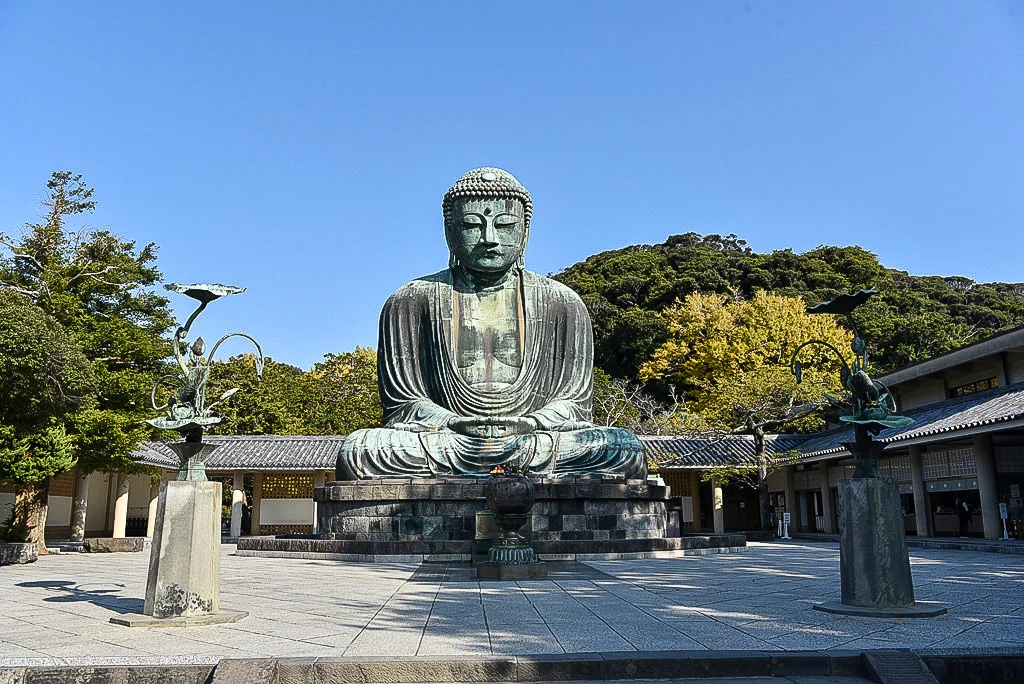
The Great Buddha (Daibutsu) at Kōtokuin temple
The city's historical significance dates back to 1185, when Minamoto no Yoritomo (源頼朝, 1147-1199) established Japan's first warrior government, the Kamakura shogunate. For the next 150 years, the town constituted the political heart of Japan. It controlled the entire archipelago until its dramatic fall in 1333. The choice of Kamakura as a capital was no accident - surrounded by hills on three sides and the ocean on the fourth, it provided natural defences whilst remaining accessible to the rest of the country.
Walking through Kamakura today feels like stepping through layers of Japanese history. The magnificent Tsurugaoka Hachiman Shrine (鶴岡八幡宮), built by Yoritomo himself, continues to preside over the city as its spiritual centre. The famous Kamakura Gozan (鎌倉五山), the five great Zen Buddhist temples including Kenchōji, Engakuji, Jōchiji, Jufukuji, and Jōmyōji , represent some of Japan's most important religious sites, their weathered wooden halls and carefully tended gardens embodying centuries of Buddhist tradition.
Perhaps no sight captures Kamakura's enduring appeal quite like the Great Buddha (大仏 Daibutsu) at Kōtokuin temple. This bronze colossus, standing 11.5 metres tall, has weathered storms, earthquakes, and tsunamis since the 13th century, becoming an icon recognised worldwide. Japan's second-largest Buddha statue draws millions of visitors, who come to marvel at both its artistic achievement and spiritual presence.
However, the city's cultural treasures extend beyond its temples: the graceful Kannon statue at Hasedera temple, the historic Tōkeiji temple, once known as a refuge for women seeking divorce, and religious sites representing various Buddhist sects, including Myōhonji of the Nichiren school and Kōmyōji of the Jōdo sect. They all contribute to Kamakura's reputation as a centre of Japanese spirituality.
While Kamakura preserves its rich historical and spiritual legacy, it also embraces modern culture. The Prefectural Art Museum and the Kamakura City Museum, located on the grounds of Tsurugaoka Hachiman Shrine, offer insights into the city's artistic and cultural past. Just a short walk away, Komachi Street buzzes with life, lined with traditional eateries, boutique shops, and local sweets. It captures the city's blend of old and new. Seasonal festivals and events add even more energy to the area, making Kamakura a favourite destination for both Japanese and international visitors year-round.
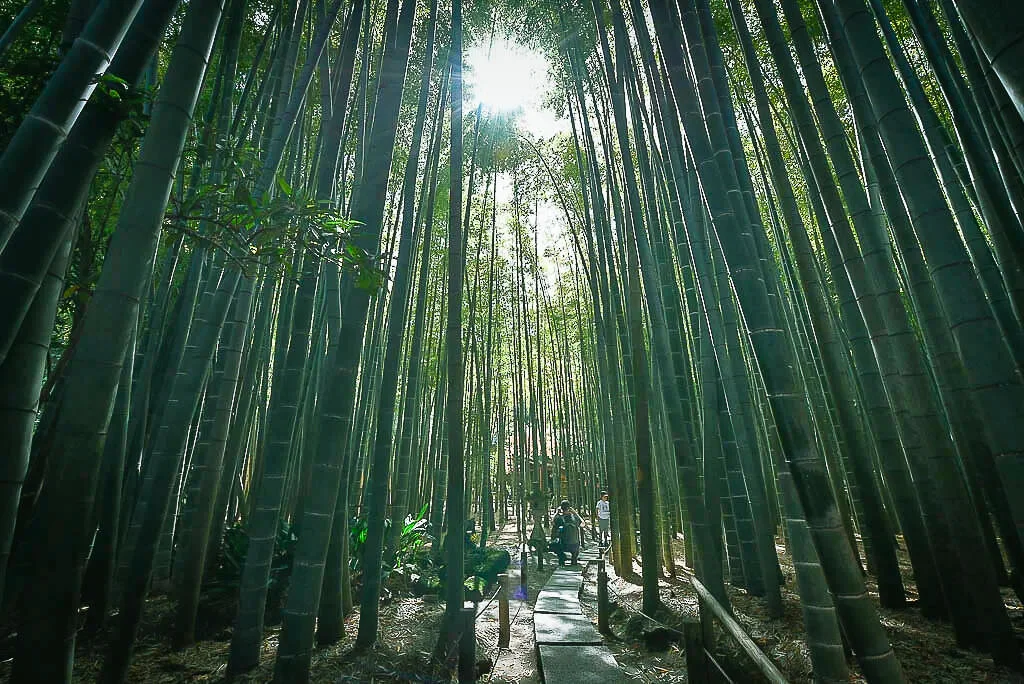
The famous bamboo garden at Hōkoku-ji
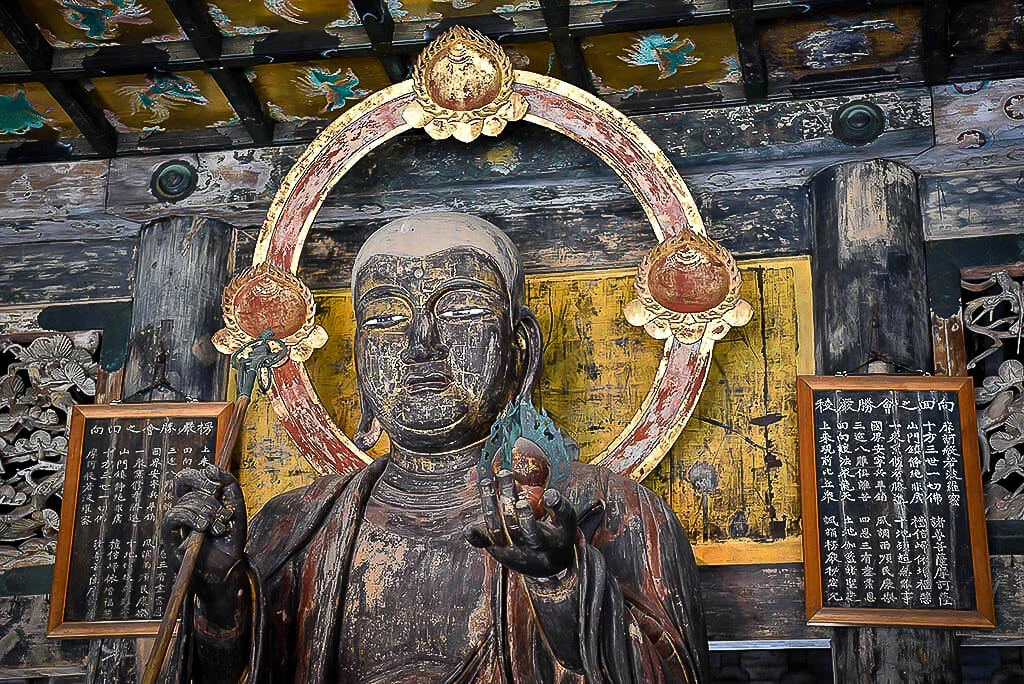
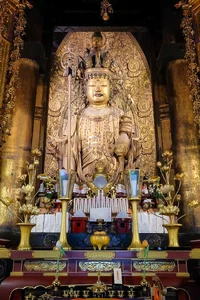
Wooden statue of Jizō enthroned on a lotus plant at Kenchō-ji (建長寺).
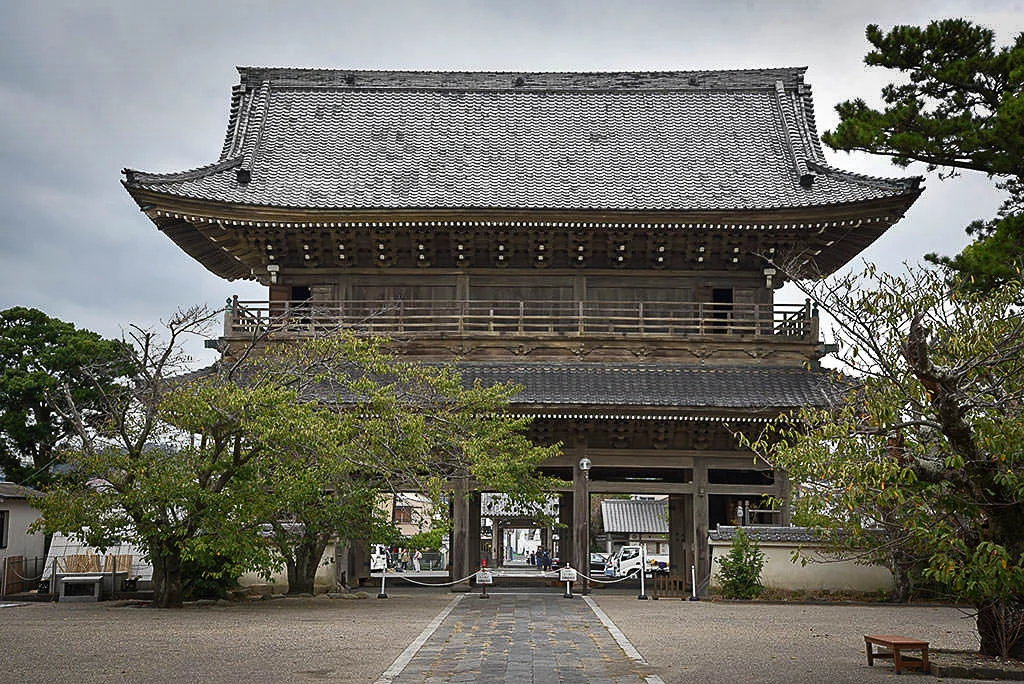
Kōmyō-ji (光明寺), a Buddhist temple of the Jōdo sect in Zaimokuza
The Great Buddha (Daibutsu) at Kōtokuin temple
The city's historical significance dates back to 1185, when Minamoto no Yoritomo (源頼朝, 1147-1199) established Japan's first warrior government, the Kamakura shogunate. For the next 150 years, the town constituted the political heart of Japan. It controlled the entire archipelago until its dramatic fall in 1333. The choice of Kamakura as a capital was no accident - surrounded by hills on three sides and the ocean on the fourth, it provided natural defences whilst remaining accessible to the rest of the country.
Walking through Kamakura today feels like stepping through layers of Japanese history. The magnificent Tsurugaoka Hachiman Shrine (鶴岡八幡宮), built by Yoritomo himself, continues to preside over the city as its spiritual centre. The famous Kamakura Gozan (鎌倉五山), the five great Zen Buddhist temples including Kenchōji, Engakuji, Jōchiji, Jufukuji, and Jōmyōji , represent some of Japan's most important religious sites, their weathered wooden halls and carefully tended gardens embodying centuries of Buddhist tradition.
Kannon at Hasedera
However, the city's cultural treasures extend beyond its temples: the graceful Kannon statue at Hasedera temple, the historic Tōkeiji temple, once known as a refuge for women seeking divorce, and religious sites representing various Buddhist sects, including Myōhonji of the Nichiren school and Kōmyōji of the Jōdo sect. They all contribute to Kamakura's reputation as a centre of Japanese spirituality.
While Kamakura preserves its rich historical and spiritual legacy, it also embraces modern culture. The Prefectural Art Museum and the Kamakura City Museum, located on the grounds of Tsurugaoka Hachiman Shrine, offer insights into the city's artistic and cultural past. Just a short walk away, Komachi Street buzzes with life, lined with traditional eateries, boutique shops, and local sweets. It captures the city's blend of old and new. Seasonal festivals and events add even more energy to the area, making Kamakura a favourite destination for both Japanese and international visitors year-round.
The famous bamboo garden at Hōkoku-ji
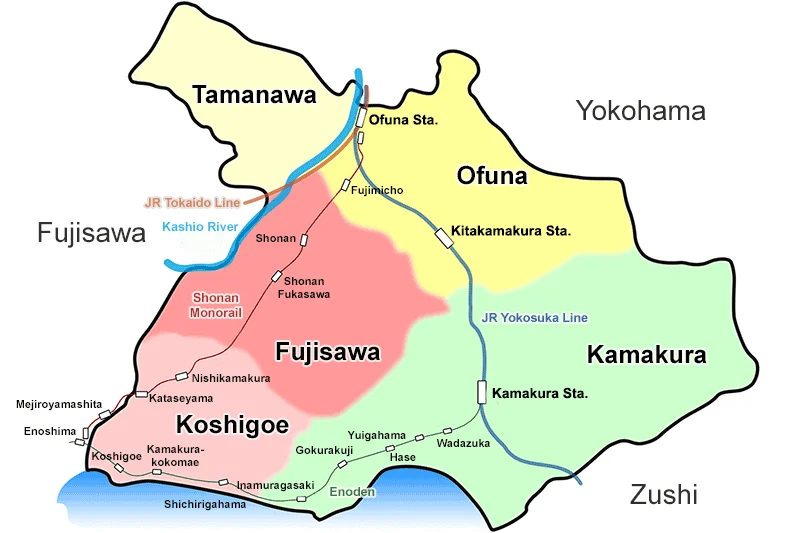
Areas and train stations around Kamakura:
Places to see:
Around Ōfuna Station:
Ryūhō-ji (龍宝寺) - Jōraku-ji (常楽寺) - Ōfuna Kannon-ji (大船観音寺) - Kenritsu Flower Center Ofuna Botanical Garden (県立フラワーセンター大船植物園)Around Kitakamakura Station:
Engaku-ji (円覚寺) - Meigetsu-in (明月院) - Kenchō-ji (建長寺) - Tōkei-ji (東慶寺) - Enno-ji (円応寺) - Jōchi-ji (浄智寺) - Chōju-ji (長寿禅寺)Around Kamakura Station:
- Northwest: Eishō-ji (英勝寺) - Jōkōmyō-ji (浄光明寺) - Jufukuji (寿福寺) - Kaizō-ji (海蔵寺) - Kamakura Museum of History and Culture - Kuzuharagaoka Shrine (葛原岡神社) - Sasuke Inari Shrine (佐助稲荷神社) - Shoren-ji (青蓮寺) - Yakuōji (薬王寺) - Zeniarai Benten Shrine (銭洗弁天).
- Northeast: Daigyō-ji (大巧寺) - Egara Tenjin Shrine (荏柄天神社) - Hōkai-ji (宝戒寺) - Hōkoku-ji (報国寺) - Jōmyō-ji (浄妙寺) - Kamakura Museum of National Treasures - Kamakura-gū (鎌倉宮) - Myōō-in (明王院) - Myōryū-ji (妙隆寺) - Raikō-ji (来迎寺) - Sugimotodera (杉本寺) - Tsurugaoka Hachimangū (鶴岡八幡宮) - Yōfuku-ji Temple Site - Zuisen-ji (瑞泉寺).
- Southwest (Hase and Yuigahama): Amanawa Shinmei Shrine (甘縄神明神社) - Gokuraku-ji (極楽寺) - Goryō Shrine (御霊神社) - Hasedera (長谷寺) - Jōju-in (成就院) - Kōtoku-in (高徳院, and the Great Buddha) - Kosoku-ji (弘誓寺) - Manpuku-ji (満福寺)
- Southeast (Omachi and Zaimokuza): Ankokuron-ji (安国論寺) - Anyō-in (安養院) - Betsuganji (別願寺) - Chōshō-ji (長勝寺) - Fudaraku-ji (補陀洛寺) - Gosho Shrine (五所神社) - Hongaku-ji (本覚寺) - Jissō-ji (実相寺) - Jōei-ji (常栄寺) - Jōgyō- ji (上行寺) - Kōmyō-ji (光明寺) - Kuhon-ji (九品寺) - Myōhō–ji (妙法寺) - Myōhon-ji (妙本寺) - Raikōji (Zaimokusa, 来迎寺) - Daihōji (大寶寺) - Yagumo Shrine (八雲神社)
Around Enoshima and Fujisawa:
Enoshima Aquarium - Enoshima (江の島) - Enoshima Benzaiten Nakamise Street - Enoshima Shrine (江島神社) - Enoshima Sea Candle - Enoshima Samuel Cocking Garden - Enoshima Iwaya Caves - Koyurugi Shrine (小動神社) - Ryūkō-ji (龍口寺)Wooden statue of Jizō enthroned on a lotus plant at Kenchō-ji (建長寺).
Suggested Kamakura itineraries:
- One-Day Itinerary:
- Getting There: Take the JR Shōnan Line from Shibuya or Shinjuku stations (about one hour), or the JR Yokosuka Line from Tōkyō Station (56 minutes, 920 yen).
- Morning (9:00-12:00):
Start at Tsurugaoka Hachiman Shrine, Kamakura's spiritual heart and most important shrine. The approach road (Komachi-dōri) offers charming shops for browsing. From there, head to nearby Hōkokuji Temple, famous for its stunning bamboo grove where you can enjoy matcha tea surrounded by towering green stalks. - Afternoon (12:00-17:00):
Take the scenic Enoshima Electric Railway (Enoden) to Hase Station. Visit Hasedera Temple to see the impressive eleven-headed Kannon statue and enjoy panoramic views of Sagami Bay. Next, head to nearby Kōtokuin Temple to view the iconic Great Buddha statue. Allow 8-10 hours for the visit, as some temples close early at 16:00. - Evening: Return via the atmospheric Enoden train line, perhaps stopping for dinner in central Kamakura before heading back to Tōkyō.
- Two-Day Itinerary: Deeper Exploration
- Day 1: Follow the one-day itinerary above, but at a more leisurely pace. Add time for lunch at a traditional restaurant and explore more of Komachi-dōri's shops and cafes.
- Day 2:
Morning: Visit the five great Zen temples of Kamakura Gozan - start with Kenchōji (Japan's oldest Zen training monastery) and Engakuji (famous for its temple bell). These offer profound insights into Zen Buddhist architecture and philosophy. - Afternoon: Explore the Enoshima area via the Enoden line. Visit Enoshima Island with its shrine complex, Samuel Cocking Garden, and sea candle lighthouse. If visiting in summer, enjoy Shichirigahama Beach for its views of Mount Fuji on clear days.
- Multi-Day Itinerary: Complete Immersion
- Day 1-2: Follow the two-day itinerary above.
- Day 3: Hidden Temples and Nature:
Visit the quieter temples, such as Jōchiji, Jufukuji, and Jōmyōji , for a more contemplative experience. Explore the hiking trails that connect various temples through Kamakura's forested hills. Visit Tōkeiji Temple, historically known as the "divorce temple" where women could seek refuge. - Day 4: Cultural Deep Dive:
Spend time at the Kamakura Museum of National Treasures and the Prefectural Art Museum. Take a pottery or meditation class at one of the temples. Explore local markets and try Kamakura's specialities like pigeon-shaped cookies (鳩サブレー hato sabure) and Kamakura beer. - Day 5: Seasonal Activities:
Depending on the season, enjoy plum blossoms at Kokuhonji Temple (February), cherry blossoms along the Megami River (April), hydrangeas at Meigetsu-in Temple (June), or autumn leaves at various temples (November-December).
Practical Tips:
- Best Times to Visit: Early morning (8:00-9:00) or late afternoon (16:00-17:00) to avoid crowds. Weekdays are significantly less busy than weekends.
- Transportation: Purchase an Enoshima-Kamakura Freepass for unlimited travel on JR, Enoden, and Shōnanō MonoShōnanines.
- Dining: Try local specialities like shirasu (白子, "whitebait") bowls, Kamakura vegetables, and traditional sweets along Komachi-dōri.
- Accommodation: For multi-day visits, consider a traditional ryokan in Kamakura or nearby Enoshima for an authentic experience, though day trips from Tōkyō remain the most popular option.
Kōmyō-ji (光明寺), a Buddhist temple of the Jōdo sect in Zaimokuza
Links:
- Kamakura Period (1185-1333) (Japan Reference History)
- Hōjō Clan (Japan Reference History)
- Minamoto Clan (Japan Reference History)
References:
- Baldessari, Francesco. Kamakura: A Historical Guide, 2016
- Cooper, Michael. Exploring Kamakura, Weatherhill 1979
- Mutsu, Iso. Kamakura: Fact and Legend, Tuttle 2012


